- Egypt Weekly Roundup
- Posts
- Energy-saving mode on 🪫
Energy-saving mode on 🪫
What's inside: Government orders early shop closures over rising energy costs, Sisi visits Gulf in support of war situation, East line of monorail now working, and much more.
March 15 – 23 | 2026
Image: Ahlan bil Eid


Hey friends,
Five days off for Eid and a mountain of kahk, yet the news never goes on holiday. From government announcements to major discoveries, Egypt kept busy while despite the country not working since last Thursday until today.
Here’s your quick roundup of the stories that mattered from last week.
A QUICK MESSAGE BEFORE YOU SCROLL…
The time and effort found in this newsletter come from local, independent, grassroots journalists from Egypt. You can continue receiving this newsletter and have unlimited access to all of Egyptian Streets’ content by subscribing for just USD 1.66 per month (EGP 80) and as little as USD 0.84 per month (EGP 40) for students, paid annually - that’s less than the price of a coffee to support independent journalism in Egypt!


ECONOMY | ENERGY | COST OF LIVING
EGYPT ORDERS EARLY CLOSURES AND DIMMED LIGHTS AS ENERGY COSTS SURGE
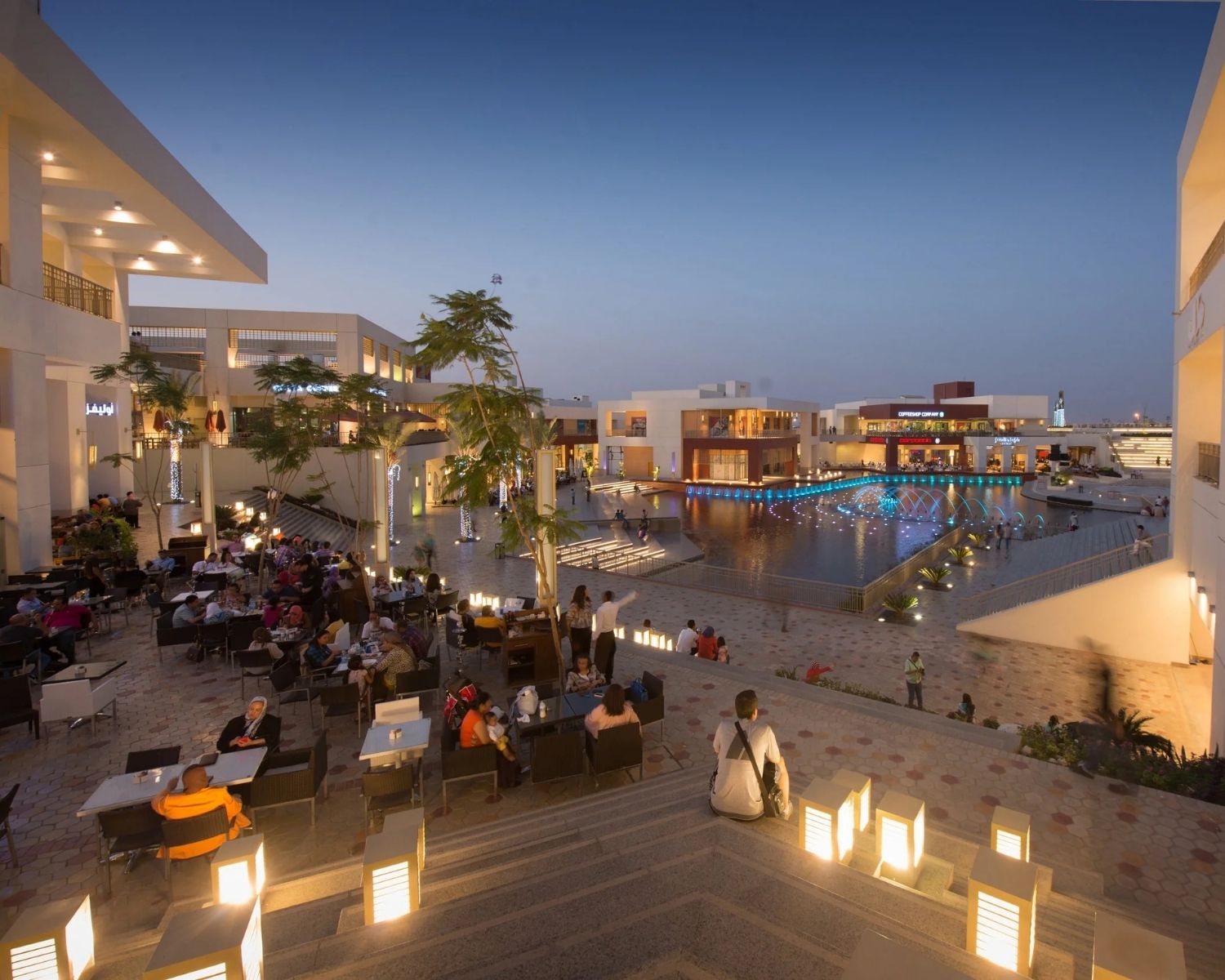
Egypt has introduced emergency energy-saving measures, including earlier closing hours for shops, malls, restaurants, and cafes, alongside reduced street lighting, as the country grapples with soaring fuel import costs driven by the ongoing regional war.
What’s changing: Starting 28 March, commercial venues will close at 9 PM (10 PM on weekends) for at least one month, while street lighting will be reduced and billboard lights switched off. Government offices will also adopt shorter hours, with some employees expected to shift to partial remote work.
Why now: Egypt’s energy bill has surged sharply, with monthly natural gas import costs jumping from around USD 560 million to USD 1.65 billion for the same volume. Global oil prices have also spiked, significantly increasing the country’s import burden and exposing its reliance on external energy supplies.
The government is also delaying diesel-intensive projects and cutting non-essential consumption to avoid further price hikes. Officials say these steps are meant to curb spending and protect foreign currency reserves without triggering another wave of inflation.
🏦 MORE BUSINESS & ECONOMY:
🇪🇬 SMEs: Egypt will offer concessional financing to the first 100,000 SMEs joining its simplified tax system, aiming to accelerate formalization – Know more
🇪🇺 EBRD: Egypt is in talks with the European Bank for Reconstruction and Development to launch investment funds and strengthen trade, aimed at boosting private sector growth and key industries – Know more

Welcome to Valued Insights — your deep dive into Egypt’s ever-evolving business and economic landscape.
RAMADAN & EID: HOW HOLY OBSERVATIONS LEAD TO SPENDING SHIFTS
Ramadan and Eid El-Fitr may be over, but their economic effect is still being felt across Egypt as the holy month marks the country’s biggest consumer season. In the weeks leading up to and during Ramadan, families prepare for daily fasting, nightly Iftar gatherings, and Eid celebrations, sending spending soaring. This post-Ramadan and Eid deep dive serves as an informed overview on culture, economy, and business solutions.
The 2025 Egypt Ramadan Handbook shows consumer consumption increases by 50 percent during Ramadan compared to other months, with 75 percent of Egyptians reporting they spend more despite careful planning. With 97 percent of Egyptians engaging in Ramadan traditions, the economic ripple touches retail, hospitality, and e-commerce alike.
Food fuels the frenzy: In just one month, food and beverage spending accounts for 15 percent of annual household food budgets. Bread consumption rises 63 percent, chicken by 66.5 percent, and dried fruits by 25 percent. Egyptians stock up on dates, nuts, dairy products like yogurt and labna, and fresh produce before seasonal prices climb. Inflation adds pressure — food prices were up 20.2 percent in January 2025 — but traditions endure. Nearly half of Egyptians still eat Iftar out at least once a week, boosting restaurant sales by 25 percent.
Eid brings gifts and glam: When Ramadan ends, spending shifts toward Eid. Gift demand surges by around 150 percent across the MENA region, with fragrance sets, jewelry, toys, and home décor topping the list. As the saying goes, El-Eid Farha (Eid is a moment of joy), and in Egypt many couples take that spirit to heart by kicking off wedding season around this time. But such celebrations come with costs — from the shabka (a form of dowry given to the bride) to wedding planning and all the expectations that follow. Naturally, spending increases, people begin looking for more different payment solutions.
Digital shopping takes the lead: E-commerce is transforming how Egyptians celebrate. Online shopping is set to grow by around 30 percent, with mobile apps driving much of the activity. Shoppers are increasingly hunting for exclusive deals and flash sales, with more than 70 percent searching for bargains online and 73 percent sticking to planned purchases rather than impulse buys.
Apps like Valu, which features the integrated Shop’IT marketplace with 10,000+ products from different merchants, are playing a key role in this shift. Beyond offering flexible payment solutions that reduce upfront costs, the platform delivers a seamless, one-stop shopping experience, allowing users to browse, compare, and purchase across multiple merchants without switching between different websites or apps. In addition, each transaction comes with guaranteed cashback, helping consumers maximize savings and make smarter, more efficient Eid purchases.
Reflect and reconsider: Ramadan and Eid are a reminder that the season is about more than spending — it’s about celebrating with intention. Families plan purchases carefully, embrace charity as a core part of the month, and prioritize generosity, community, and family. Even fintech players like Valu seek ways to do their bit in giving during the holy month, like their charitable partnership with Forset Hayah Foundation, and by sponsoring their annual suhoor event.
GCC | MIDDLE EAST | WAR DIPLOMACY
SISI VISITS GULF NEIGHBORS AS EGYPT PUSHES TO CONTAIN REGIONAL WAR
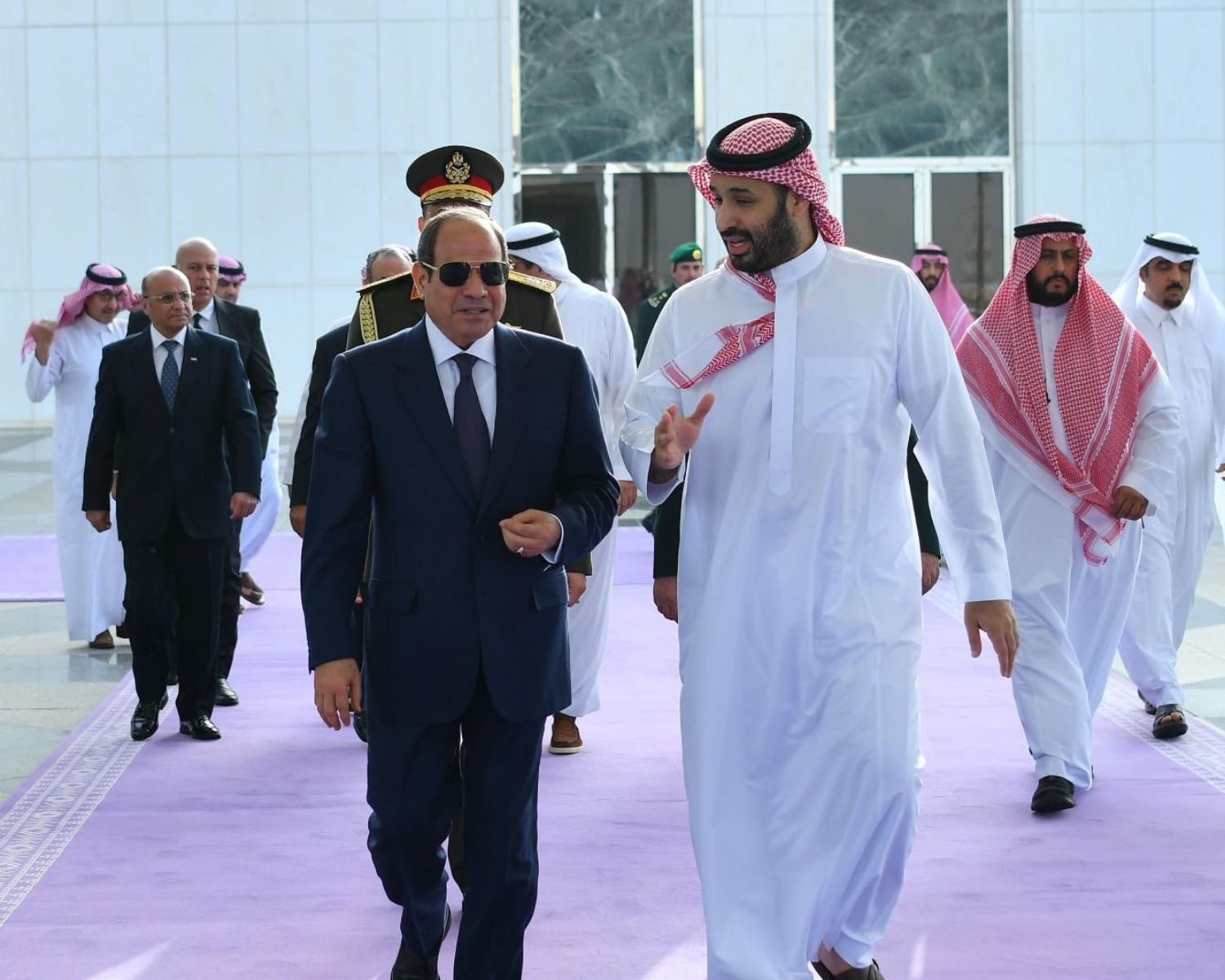
Image: Spokesman for the Egyptian Presidency / Facebook
President Abdel Fattah El-Sisi embarked on a rapid multi-stop Gulf tour, visiting the UAE and Qatar, then Saudi Arabia and Bahrain, as Egypt intensifies efforts to contain the escalating regional conflict and prevent further spillover.
A unified message: Across all four capitals — Abu Dhabi, Doha, Riyadh, and Manama — El-Sisi delivered a consistent message: Egypt’s “unwavering support” for Gulf states and a firm rejection of recent attacks targeting their territories. He stressed that the security of the Gulf is “an extension” of Egypt’s own national security, underscoring Cairo’s alignment with its regional allies.
El-Sisi met with each country’s leading monarch, reaffirming Egypt’s backing for Gulf sovereignty while calling for intensified Arab coordination to prevent the conflict from expanding. The talks also focused on maintaining close political and security alignment in the near future.
De-escalation push: Alongside its show of support, Egypt has continued to position itself as a diplomatic actor, sending direct messages to Iran urging an immediate halt to attacks and a return to negotiations. Cairo has paired the presidential tour with a broader push — including ministerial visits and regional calls — aimed at steering the crisis back toward political solutions.
🌍️ MORE FOREIGN AFFAIRS:
🇺🇸 USA: Egypt welcomed statements by US President Donald Trump indicating efforts to de-escalate tensions with Iran, urging all parties to seize the moment and prioritize dialogue to avoid a wider regional war – Know more
🇱🇧 LEBANON: Egypt condemned Israel’s ground incursion into southern Lebanon in the strongest terms, calling it a blatant violation of sovereignty and international law – Know more

MONORAIL | TRANSPORT | INFRASTRUCTURE
LONG-AWAITED MONORAIL SEES EAST LINE INAUGURATED
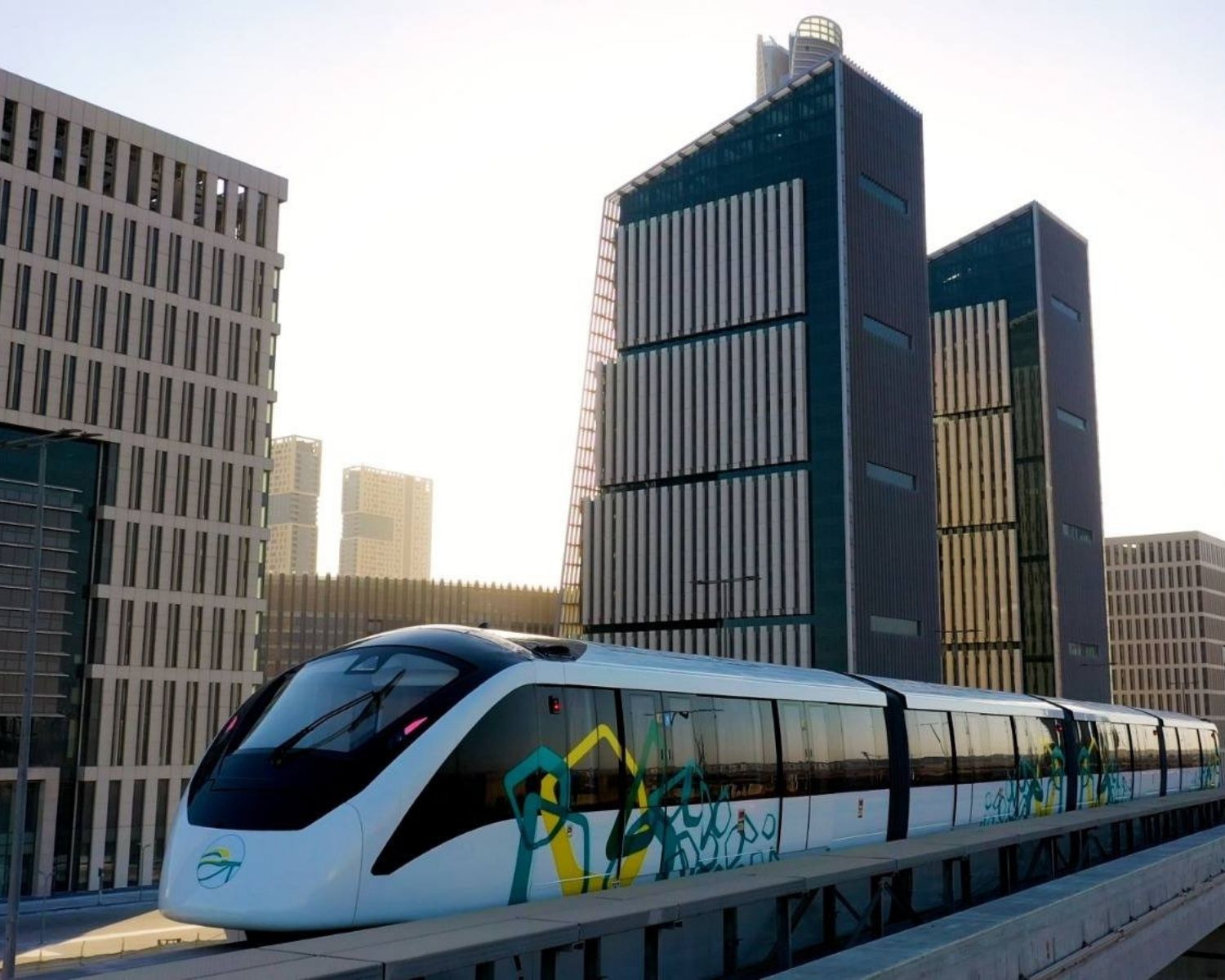
Egypt’s monorail pictured going by the New Administrative Capital’s business district (Image credit: Orascom Construction)
President Abdel Fattah el-Sisi inaugurated the long-awaited monorail, announcing that the East Line is now fully ready for operations — marking a major step in Egypt’s push to modernize urban transport and better connect Cairo with the New Administrative Capital.
The 56.5 kilometers line runs from Nasr City to the New Capital, linking key residential districts and business hubs along the way. The fully electric, driverless system is designed to offer a faster and more efficient alternative to congested road travel.
With 22 stations and connections to existing transport networks like Metro Line 3 and the Light Rail Transit, the monorail forms part of a broader plan to build an integrated, modern transit system across Greater Cairo.
The bigger vision: The East Nile line is one half of a wider monorail network that will eventually span nearly 100 kilometers, making it one of the largest driverless monorail systems globally. Officials say the project, announced back in 2019, will help ease congestion, cut travel times, and reduce emissions.
🏠️ MORE POLITICS & SOCIETY:
🫓 SOCIAL PROTECTION PACKAGE: Egypt has spent EGP 18.5 billion from its EGP 40 billion social protection package in February, helping 15 million families until the end of the fiscal year – Know more
📺️ MEDIA REGULATION: Egypt’s media regulators say they’ll use legal tools to curb content that harms national interests or Arab relations – Know more
🏺 HISTORIC DISCOVERY: Archaeologists unearthed more than 13,000 ancient ostraca at the ancient city of Athribis, shedding light on daily life, administration, and culture in Pharaonic Egypt – Know more
⛪️ 5TH CENTURY CHURCH: Egyptian authorities uncovered a 5th‑century Coptic monastic guesthouse in Minya, offering new insights into early Christian monastic life – Know more